

Steel Casting Exporter Insights for Streamlining Global Procurement
2026-10-22
Ask a procurement manager what keeps them up at night, and steel castings rarely make the list—until a single reject batch freezes an assembly line. Exporters know this pattern well. Supreme Machinery has spent years mapping the friction points that slow global casting procurement, from ambiguous tolerances to scattered inspection data. What follows are practical insights for buyers who prefer fewer surprises and more control.
Why Vague Spec Sheets Derail Your Sourcing Timeline
When a spec sheet leaves out critical details—like surface finish, tolerance ranges, or acceptable material substitutions—suppliers can't just fill in the blanks. They have to stop and ask. Each clarification email adds a day or two, and if the answer triggers another question, you're suddenly a week behind before a single quote lands. It's not a negotiation; it's a slow drip of delays.
Even after quotes come in, vague specs create a different kind of stall. A factory might interpret "standard quality" one way, while your engineer expects something else. The result is a prototype or sample that misses the mark, forcing another round of revisions. That's not just lost production time—it's your team going back to the drawing board while the clock keeps ticking.
By the time you're trying to recover the schedule, you're often forced into expensive air freight, rushed tooling changes, or settling for a supplier that isn't your first choice. The irony is that spending an extra hour tightening the spec sheet upfront would have saved weeks downstream. Instead, vague details quietly eat your timeline from the inside out.
The Hidden Cost of Ignoring Foundry Capability Audits
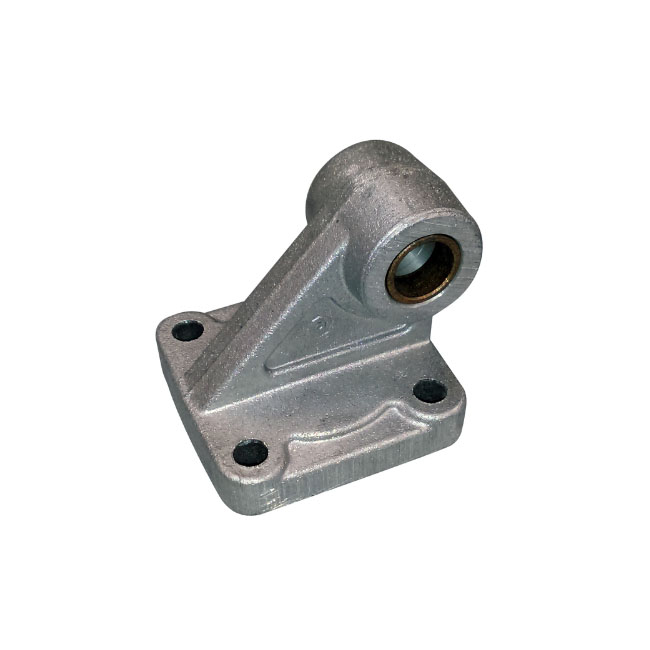
Most procurement teams treat capability audits as a checkbox exercise. They assume a foundry that passed ISO or IATF years ago will keep performing at the same level. The real cost shows up later: a batch of castings or wafers drifts out of tolerance, and the line stops while engineers scramble to identify the root cause. By then, the audit fee looks trivial next to the overtime, air freight, and missed shipment penalties.
There is also a quieter kind of damage. Without routine capability checks, process changes happen in the background, tooling wears unevenly, and operators adjust parameters to keep production moving. A foundry may still ship parts that pass final inspection but fail after three months in the field. Warranty claims and customer complaints arrive long after the decision to skip the audit has been forgotten.
The hidden cost is not just financial. It erodes the engineering relationship. When problems surface, the foundry pushes back because no baseline data was agreed in advance. Rebuilding trust takes longer than the audit would have taken in the first place.
How Smart Buyers Cut Lead Times Without Sacrificing Quality
Smart buyers know that lead time reduction starts long before the purchase order. They invest time in qualifying suppliers on production capacity, raw material buffers, and communication habits—not just price. By locking in clear specs and sharing demand forecasts early, they remove the back-and-forth that quietly eats weeks.
Another lever is splitting risk across fewer, more capable partners rather than chasing the lowest bid. These buyers negotiate realistic timelines with penalty and bonus clauses tied to on-time delivery, but they also visit the factory floor to spot bottlenecks. When issues surface, they work jointly on root causes instead of firing off angry emails, which builds the trust needed to expedite future orders without corners being cut.
Finally, they treat quality as a constraint, not a variable. Instead of demanding faster turnaround at the expense of inspection, they use pre-shipment checkpoints and data from past orders to identify which components can be sourced locally or stocked in advance. This way, lead times shrink because waste disappears, not because standards slip.
Navigating Tariff Codes Without Losing Your Margin
Precision in classification is where many businesses quietly lose money. When you lump similar components under a single broad code, you often pay the highest rate in that category instead of the one that matches your actual product. Checking the full six-digit HS code plus any country-specific extensions can reveal a cheaper, legally correct classification that your current system missed.
But chasing every possible rebate can eat up more time than it saves. Instead of hiring a full-time customs specialist, many small and mid-sized importers use a hybrid approach: run an automated tariff-code lookup for daily shipments, and bring in a consultant only when you launch a new product line or enter a new market. That way, the cost of accuracy stays proportional to your volume.
Treat tariff codes as living data, not a one-time entry. Product materials change, trade agreements get renegotiated, and customs rulings get updated. Set a reminder to review your top 20 imported codes every quarter — or after any supplier change. A five-minute audit can catch a misclassification that would otherwise bleed margin on every order for months.
The Overlooked Link Between Pattern Design and Total Cost
Cost analysis usually starts with fabric price and yardage, but few people ask how the pattern itself drives those numbers up or down. A directional motif, for example, forces the cutter to lay out pattern pieces in a single orientation, which can increase waste by 10–15% on some fabrics. Similarly, a large repeat distance means more fabric is consumed when matching seams or aligning borders, even if the garment silhouette stays exactly the same.
Another hidden cost sits in the number of colors and the way they are applied. Each additional color in a print often means another screen, another pass through the machine, and another chance for misregistration. In woven or knitted patterns, extra colors can require more complex jacquard setups or yarn changes, pushing both setup time and defect rates higher. Designers frequently judge a pattern by its visual impact alone, but production engineers see color separation and registration as recurring expenses.
If pattern decisions are made without cost awareness, there is little room to adjust once production begins. Small changes at the design stage—reducing the number of colors, modifying the repeat size, or shifting a motif so it does not need to align across difficult seams—can lower material waste, shorten cycle times, and cut total cost without changing the product's core look. The pattern is not just decoration; it is a cost driver that deserves the same scrutiny as fabric selection or labor rates.
Building a Supplier Scorecard That Actually Predicts Performance
Most scorecards measure what's easy to count, not what actually signals future trouble. On-time delivery rates and defect percentages get tracked religiously, yet they still fail to flag a supplier who is quietly cutting corners on raw materials or running dangerously lean on inventory. The missing piece is leading indicators: things like engineering change request turnaround time, capacity utilization trends, and how often a supplier asks for deadline extensions before the official due date. Those signals appear weeks or months before the shipment goes wrong, giving you a genuine chance to intervene.
Another common trap is weighting every metric equally, which flattens important differences between suppliers. A sole-source component supplier with a two-week lead time deserves a much heavier weight on financial stability than a commodity parts vendor with three alternates on standby. Build the scorecard around what would actually hurt your production line if it failed, not around a generic industry template. When you tailor weights to your specific supply chain vulnerabilities, the score stops being a report card and starts becoming a forward-looking risk map.
Finally, throw out the idea that a quarterly review is frequent enough. Supplier performance drifts in real time, and a scorecard that updates only after a bad quarter is just a post-mortem. Instead, pull data continuously from your ERP, quality systems, and even informal buyer notes. Then set dynamic thresholds that trigger a conversation the moment a leading indicator starts trending the wrong way. That early nudge is what turns the scorecard from a backward-looking snapshot into a tool that actually predicts which suppliers will fail you next.
FAQ
A dependable exporter offers more than competitive pricing. Look for traceable material certificates, consistent dimensional tolerances, and transparent records of any weld repairs or surface defects. They proactively share chemical composition and mechanical property reports for each heat, rather than waiting for a problem to surface.
Ask for a detailed melting and pouring schedule instead of a single promised date. Reliable exporters lock in raw material supply for pig iron and scrap early, and they keep backup capacity for both wood and metal patterns. This reduces the chance of last-minute delays.
Hidden costs usually come from poor sand cleaning, unquoted weld repair and heat treatment rework, or packaging that cannot survive sea freight. Agree in advance on the maximum weld repair per kilogram, acceptable surface defect standards, and pallet reinforcement methods to keep unexpected charges low.
Certification is the foundation for acceptance and dispute resolution. Require EN 10204 3.1 or an equivalent certificate from the exporter, and match the heat number on the document with the marking on each casting. Incomplete certificates can lead to hard spots or composition deviations during downstream machining.
Request regular dimensional inspection data and X-ray or ultrasonic spot-check records for the same product and mold. If the exporter can share internal scrap rates and customer complaint statistics from the last six months, that gives a much clearer picture than a single sample.
Heavy and irregularly shaped castings can collide during transit. Use proper VCI rust-preventive paper, steel strapping or dedicated wooden crates, and mark the center of gravity inside the container. These measures prevent chipping and rust far better than standard pallets.
An experienced exporter will point out wall thicknesses that may cause shrinkage porosity, chamfers that make sand removal difficult, or better positions for risers and gates during the quotation stage. This early feedback reduces machining allowance and scrap later.
Do not immediately withhold the full payment. Ask the exporter for a weld repair procedure or a new heat treatment plan, and clearly separate repairable defects from parts that must be scrapped. A well-documented nonconformance report and third-party inspection evidence speed up both claims and rework.
Conclusion
Sourcing steel castings internationally often falls apart long before a purchase order is signed. Buyers who send vague spec sheets end up buried in clarification emails while their production schedule slips. At the same time, skipping a foundry capability audit looks like a shortcut until you pay for it in rework, missed tolerances, or a supplier that quietly outsources your order. Smart procurement teams push back by demanding detailed pattern reviews early, because the way a pattern is designed drives machining allowance, rejection rates, and total landed cost far more than the casting price itself. Tariff codes are another quiet margin killer—misclassifying a machined casting versus a rough one can trigger duties that erase your negotiated savings. The fix is not more layers of approval but tighter upstream data: complete dimensional callouts, heat treatment specs, and surface finish requirements before the RFQ goes out.
On the supplier side, forward-thinking exporters are building scorecards that actually predict delivery performance instead of just recording past failures. The useful metrics are not the obvious ones like on-time shipment percentage, but things like how fast a foundry returns a deviation request, whether their internal audit reports match the samples they send, and how transparent they are about subcontracting certain processes. Buyers who use these leading indicators can cut lead times without sacrificing quality by moving from a reactive inspection mindset to a joint planning cadence: shared forecasts, agreed buffer stock for repeat castings, and pattern storage managed as part of the contract. When pattern design, tariff classification, and foundry capability are treated as connected decisions rather than separate departments, the result is a procurement pipeline that shortens cycle time and protects margin in ways a price-only negotiation never will.
Contact Us
Contact Person: Paul
Email: [email protected]
Tel/WhatsApp: 8615067447509
Website: https://www.spironcasting.com