

Stationary Office Chair Supplier Selection Tips for a More Comfortable Workspace
2026-11-17
A comfortable workspace rarely starts with the chair itself. It starts with the supplier choices you make before the chair ever arrives. Buyers often focus on mesh versus fabric or adjustable arms, then wonder why a well-reviewed chair feels wrong after three weeks. The missing piece is usually supplier selection—how consistently a brand like OFCJNS handles materials, tolerances, and support. Below are the selection tips that matter after the unboxing excitement fades.
Map Your Team's Sitting Habits Before You Shortlist Suppliers
Look at how your team actually works before reaching out to chair suppliers. Some people perch forward when they focus, others lean back during calls, and a few slide one leg under themselves by mid-afternoon. Note the times when posture changes most, which roles stay seated longest, and whether people tend to borrow cushions or adjust their desks in ways the furniture was never designed for. These patterns tell you more about what a chair should support than a spec sheet ever will.
Once you have that picture, shortlisting becomes simpler. You can skip models built for occasional use and focus on chairs that hold up under a full day of shifting weight. Bring a short list of real observations to the supplier conversation: the developer who raises one arm to reach a second screen, the designer who sits cross-legged for hours, the manager who uses the armrest as a leaning post. That detail makes it easier to reject polished marketing claims and pick furniture that fits the bodies in the room.
Look Closely at Seat Depth and Lumbar Support, Not Just Upholstery
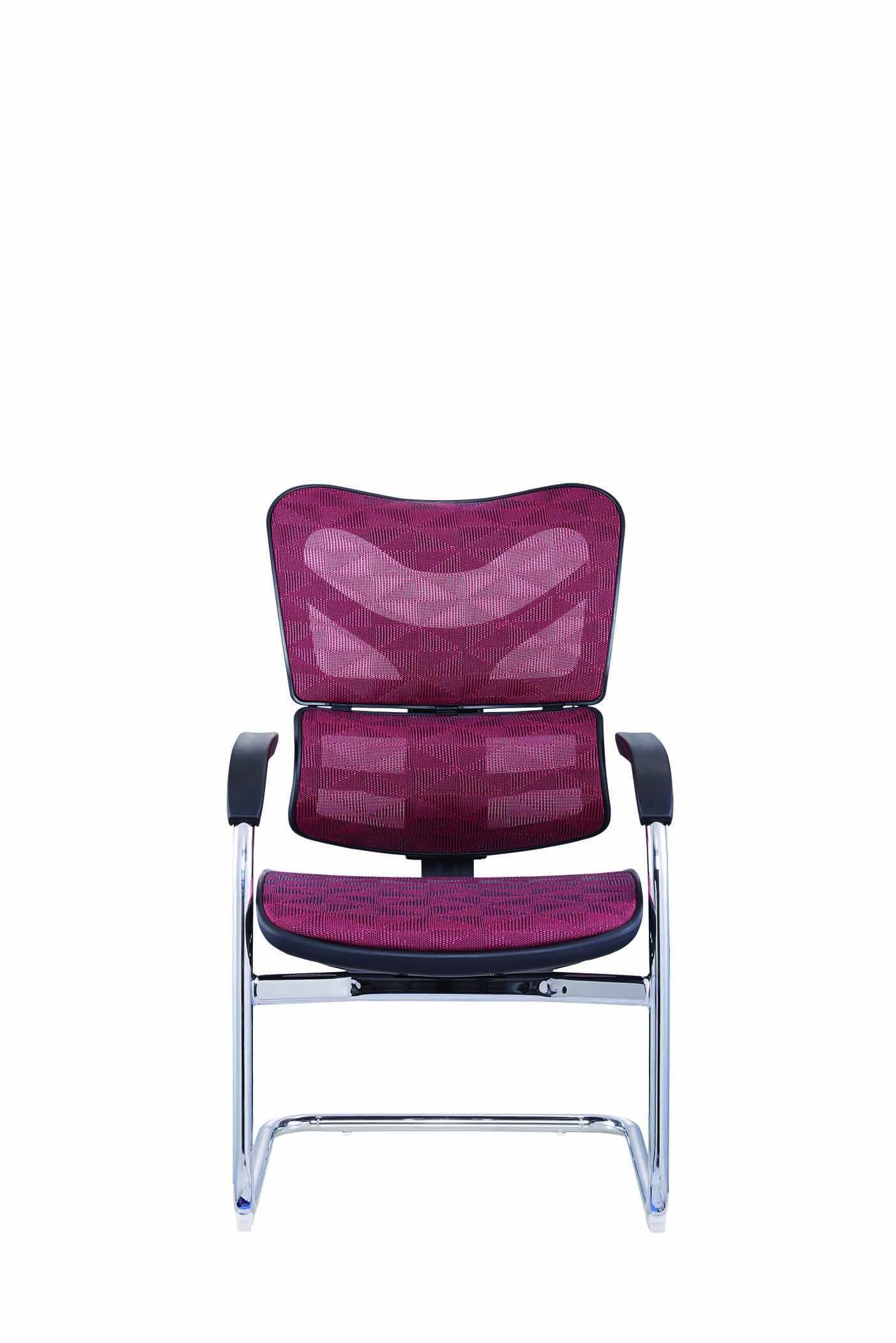
Most buyers fixate on fabric color or leather grade before they've spent a single minute sitting down. That's a mistake. The shape of the cushion under your thighs and the curve pressing into your lower spine matter far more than whether the material is boucle or top-grain. A beautiful chair that puts your pelvis in a bad position will feel unbearable after forty minutes, while an unremarkable-looking chair with a well-designed seat pan can disappear beneath you for hours. Before you look at swatches, plant yourself in the chair the way you actually sit — slouched, cross-legged, leaning toward a monitor — and notice where the front edge hits the back of your knees.
Seat depth is the quiet variable that separates a lounge chair from a task chair. If the distance between the backrest and the front edge is too long, shorter users end up perched on the edge with no support behind the knees, or they resort to stuffing a pillow behind their back. If it's too shallow, taller bodies lose contact under the thighs and all the weight lands on two small sit-bone points. A decent rule of thumb: you want about two to three fingers of space between the front edge and the back of your calf when your back is fully against the backrest. That gap lets you bend your knees without cutting off circulation, and it keeps the cushion from doing the work your hamstrings should be doing.
Lumbar support gets oversimplified as a bulge in the lower back area, but what you're actually looking for is pressure that follows the natural inward curve of your spine without shoving you forward. Some chairs build it in too aggressively, and it feels like a fist in your kidney. Others offer adjustable height and depth, which is useful because the curve sits higher on a 6'2" person than on someone who's 5'3". Pay attention to whether the support stays where you put it after a week of use; cheap mechanisms drift and then you're back to hunching. If a chair's backrest is too flexible, the lumbar zone collapses the moment you lean back, and that advertised support becomes decoration. Try sitting with your feet flat, then with them tucked under, and see if the lower back contact remains firm without creating a hot spot.
Ask Suppliers About Frame Durability and Long-Term Warranty Realities
A warranty that promises ten or fifteen years sounds reassuring until you read the fine print and realize it only covers the original buyer, excludes surface rust, or won't apply if the frame was modified. Ask the supplier to walk you through what actually happens in year six or year nine when a joint loosens or powder coating starts peeling. If they hesitate or point back to the brochure, that is a useful answer in itself.
Frame durability is not just about the steel gauge or aluminum profile. Ask how the corners are reinforced, whether welds are ground and inspected, and what testing the frame went through for repeated loading or wind exposure. Some suppliers will mention a salt spray test for coastal areas, others will only talk about product weight. Those details tell you more about real-world lifespan than a long warranty number printed on the quote.
Also ask which parts are excluded from the long-term coverage and whether replacement components are kept in stock for older product lines. A company that still carries hinge pins, joint covers, or frame sections from a product they sold eight years ago is far more likely to honor its warranty than one that treats every claim as a chance to sell you a new unit.
Compare Replacement Part Availability Instead of Focusing Only on Initial Cost
Replacement part availability often gets pushed aside when buyers focus too much on the sticker price. A cheap pump or motor might look like a smart purchase until a bearing fails six months later and you discover the manufacturer discontinued that model, leaving you to hunt through third-party sellers or scrap the whole unit. Checking whether common wear items—seals, belts, filters, circuit boards—are stocked by multiple distributors can save you from weeks of downtime and rushed air freight charges.
A lower upfront cost also tends to hide how frequently certain components need replacing. If a budget option burns through drive belts every three months and those belts have a two-week lead time, the "savings" evaporate after the first unplanned shutdown. In contrast, equipment built around widely available, standardized parts lets you keep a small on-site inventory or grab a spare from a local supplier the same day. That kind of operational flexibility matters more than a marginal price difference on the original invoice.
Before committing to a purchase, call a few parts suppliers and ask whether they actually carry the replacement items for that exact model, not just a generic version. Also look at how long the manufacturer has supported past product lines. Some brands keep spare parts lists active for a decade or more, while others move on quickly and leave customers stranded. Factoring in parts availability turns what seems like a simple cost comparison into a smarter long-term decision.
Arrange In-Office Trials for Chairs Under Real Work Conditions
Let employees use a chair for at least two full weeks before anyone fills out a scorecard. A short sit in a showroom tells you almost nothing about how the seat feels after a long afternoon of calls or back-to-back meetings. Have a few people with different body types and desk setups rotate the same model, then collect notes on pressure points, armrest adjustments, and whether they needed extra lumbar support by the end of the day.
Treat the trial like a small field test rather than a furniture showcase. Put the chairs in the busiest corner of the office or with the team that logs the most hours, and let them live with the chair through real tasks—typing, reading, leaning back for a quick chat, even adjusting the height several times a day. Ask for unfiltered feedback, especially the kind that won't show up in a spec sheet, like noise from the casters on hard floors or whether the fabric gets warm after an hour.
Compare two or three finalists side by side only after they've been used in the actual workspace. If a chair can't survive a normal workweek without complaints about stiffness or wobbly armrests, it's not the one. The goal is to see which chair quietly disappears under people instead of becoming the thing they talk about for the wrong reasons.
Weigh Verified Ergonomic Certifications Against Everyday User Feedback
A certification badge on a chair’s product page rarely tells the full story. While ergonomic standards are tested in controlled labs, real users sit for hours in messy, varied postures, on different desk heights, and with shifting body fatigue. The gap between a pass on a durability or posture test and how someone actually feels after a full workday can be surprisingly wide. So the first step isn’t to dismiss one side, but to treat both as incomplete snapshots.
Everyday feedback reveals patterns that no lab can simulate. People mention pressure behind the knees, lower back heat buildup, armrests that drift during a long call, or a seat cushion that feels firm for the first week then softens unevenly. These details accumulate across hundreds of reviews and often point to the same few failure points, even when the chair carries multiple ergonomic certifications. Reading for repeated complaints rather than isolated rants helps separate real design flaws from personal preference.
The trick is to weigh both sides without letting either dominate. A certified chair with a flood of user complaints about the same issue deserves caution. Conversely, a chair with limited certifications but overwhelmingly positive long-term feedback might still be a better daily fit. Let the verified standards set a baseline for safety and build quality, then let the everyday stories tell you how that baseline holds up under actual use.
FAQ
Look at how they describe the chair's adjustability and support rather than just the upholstery. A good supplier will talk about seat depth, lumbar tension, backrest recline resistance, and armrest height ranges in plain detail. If their specs are vague, the chair probably won't hold up to daily desk work.
Ask about foam density, fabric abrasion ratings, and whether the gas lift and tilt mechanism are tested for continuous use. Request a floor model you can sit in for 20-30 minutes, not just a showroom glance. Also ask what happens when the seat cushion starts to soften, a transparent supplier will tell you the expected lifespan.
A specialist often gives sharper advice on ergonomics and replacement parts, but a broader furniture supplier may offer better bundle pricing and coordination if you're furnishing more than one room. Focus on their after-sale support and parts availability more than the size of their catalog.
Get specific: does the warranty cover the mechanism, cylinder, casters, and fabric separately? How long does a repair usually take, and do they send a technician or expect you to ship the chair back? A supplier with a clear process for replacement parts will save you from a broken chair sitting in a corner.
Ask for references from workplaces similar to yours, and call one or two if possible. Check whether they've handled bulk orders with consistent delivery windows. Also notice how they respond to questions about delays or defects, if they only promise perfection, that's a warning sign.
Yes, and it's worth paying for a sample if needed. Keep one or two chairs in real use for at least a week, and ask different body types on your team to test them. A supplier that supports this shows confidence in the product and makes returns less awkward later.
Put the quotes side by side by total cost of ownership: delivery, assembly, warranty length, replacement part costs, and expected service life. A lower upfront price can hide a shorter cylinder life or limited fabric options. Ask for line-item pricing so you can see what you're actually paying for.
It matters more than people expect. Confirm whether the supplier delivers to your floor, removes packaging, and assembles chairs on-site. If not, you'll need staff time and tools. Clear delivery windows also reduce the chance of a lobby full of boxes for days.
Conclusion
Before shortlisting suppliers, spend a week or two watching how people actually sit. Some lean forward for screen work, others recline during calls, and a few perch on the edge for hours. That range tells you more than any catalog ever will. Then look beyond upholstery; seat depth and lumbar support are where discomfort quietly starts. A chair that looks plush but forces shorter users away from the backrest will fail within a month. Ask direct questions about frame construction and warranty terms that mention what is actually covered after year three, because most damage happens long after initial impressions fade.
Cost comparisons rarely end at purchase. A cheaper chair with scarce replacement parts becomes expensive when a cylinder or caster breaks and the supplier cannot ship for weeks. Check part availability and typical lead times before signing. Run an in-office trial with chairs placed in real workflows, not a conference room corner. Have different body types use them for full days and write honest notes. Finally, treat ergonomic certificates as a baseline, not a conclusion. Verified standards matter, but everyday feedback from people who sit for eight hours will expose flaws that lab tests miss. A supplier worth keeping should be able to discuss both without defensiveness.
Contact Us
Contact Person: Diff Wang
Email: [email protected]
Tel/WhatsApp: +8613650281199
Website: https://www.ofcmeshchair.com/