

OEM Oil Resistant Conveyor Belt: Durable Solutions for Harsh Industrial Applications
2026-11-17
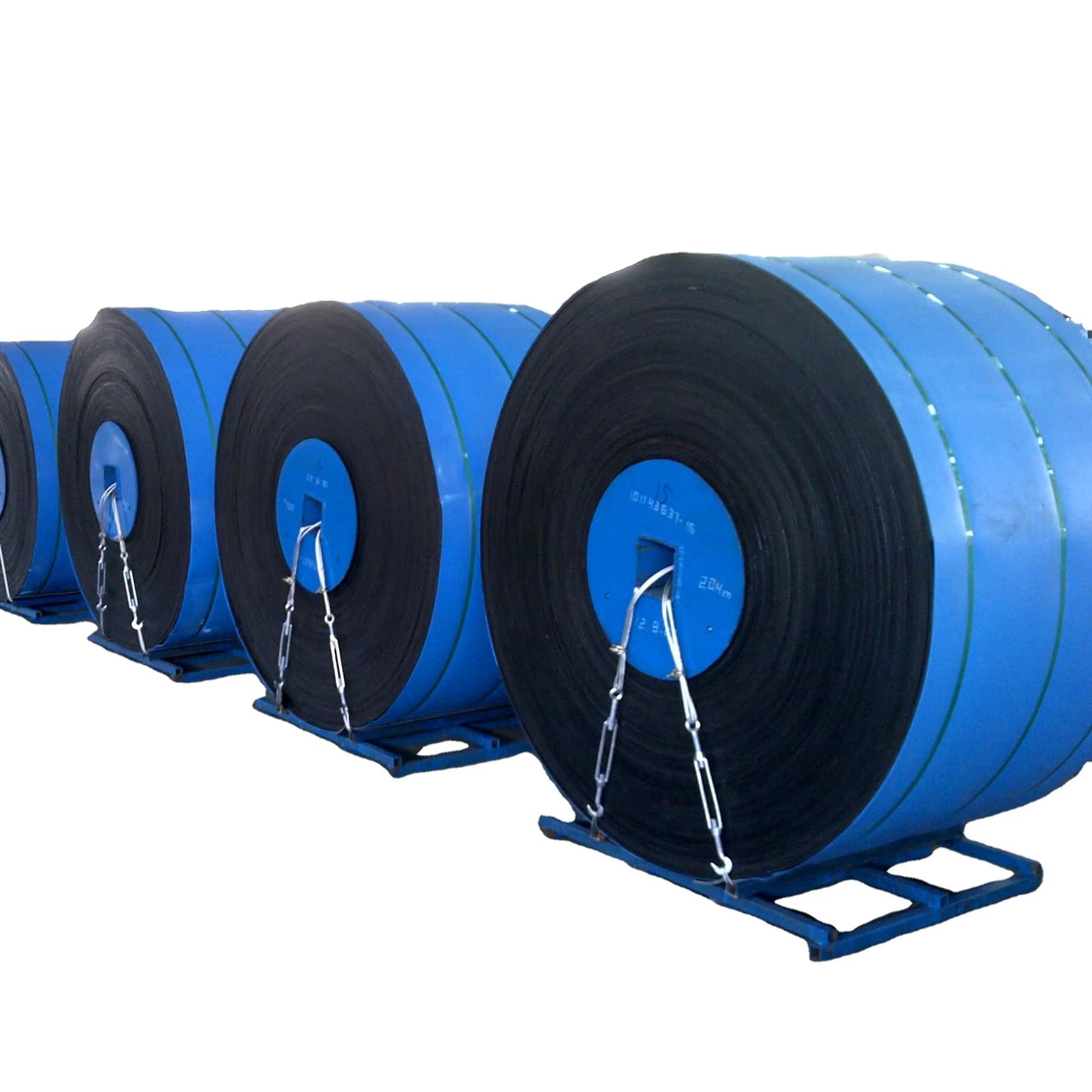
Oil, grease, and high temperatures can turn an ordinary conveyor belt into a breakdown waiting to happen. In demanding production lines, choosing the right belt isn’t just about uptime—it's about avoiding costly interruptions. That’s where YUFENG OEM oil resistant conveyor belts come in. Built for harsh industrial environments, they combine durable compounds with customizable specifications to keep material flow stable when conditions get messy. In this guide, we’ll look at what makes these belts a practical choice for operations that can’t afford downtime.
The Oil-Swelling Problem Most Standard Belts Can't Escape
Most standard belts are built around rubber compounds that quietly absorb oil the moment contact begins. That absorption is not just a surface stain; the belt material itself swells, softens, and starts losing its designed hardness. Within days, what was once a tight, responsive drive becomes a spongy, unpredictable loop that no longer holds its original dimensions.
The real failure often shows up before the belt snaps. Pulleys lose their grip, tracking drifts, and tension adjustments seem to need repeating every shift. Operators may blame alignment or bearing wear, but the root cause is usually the same: the belt has soaked up enough oil to change its physical structure. Once that happens, no amount of re-tensioning can restore the original performance.
In oily environments, a belt needs more than a chemical-resistant label. The difference is whether the material stays dimensionally stable after prolonged exposure, not just whether it survives an initial wipe test. Belts that cannot resist swelling will keep costing time and replacement labor, even if they look intact on the outside.
What an OEM Fit Actually Means on a Live Production Line
On the line, OEM fit stops being an abstract spec and turns into seconds. A bumper cover either drops onto its brackets cleanly or it doesn't. The mounting holes line up with the studs, the sensor cutouts sit where the harness expects them, and the edges fall flush with the surrounding sheet metal without a tech reaching for a shim. Nobody at the station has time to finesse a part that is close enough but not quite right.
That distinction shows up in the details that never make the brochure. The tab count and placement are copied from the original because that is what the clips were designed around. The plastic compound has a similar flex so the part can be pulled back during install without cracking. Even the way a wiring pigtail routes through a channel matters when the line is moving at full speed. When those details are wrong, the failure is not dramatic; it is a pile of rejected parts and a line slowdown that eats the shift.
What an OEM fit really means is repeatability. The tenth part installs the same way the first one does, on the same fixture, with the same hand pressure. It is less about being identical to the original and more about respecting the original's assembly logic. If the part fights the operator, deviates from the torque sequence, or needs the hole enlarged, then it is not OEM fit in the only sense the factory floor cares about.
Rubber Compounds That Stay Flexible After Months of Oil Exposure
A rubber part can look perfect after a short oil soak and still fail months later, not from tearing but from turning brittle at the edges. The real demand is not simply oil resistance at room temperature. It is whether the compound keeps enough give to maintain a seal, absorb vibration, or survive a flexing lip after sitting in hot oil through repeated temperature swings. Many compounds pass a 70-hour immersion test and then stiffen badly once the oil has had time to work deeper into the polymer network.
Keeping that flexibility starts with the base polymer and the cure system rather than with additives alone. Nitrile and hydrogenated nitrile grades handle petroleum-based oils well, while fluoroelastomers suit more aggressive additive packages and higher temperatures. But even a chemically resistant polymer can become boardy if it is overcrosslinked or packed too tightly with reinforcing filler. The plasticizer choice matters just as much. Common ester plasticizers can migrate into the oil over time, taking the compound's softness with them. Low-extractability or polymeric plasticizers, along with a balanced filler loading, help hold elongation and low-temperature movement after long aging.
A more useful evaluation is to age samples in the actual service fluid at the expected temperature, then measure elongation at break, hardness change, and bend behavior at the low end of the operating range. Compounds that remain serviceable usually show only a modest hardness shift and keep their elongation without surface cracking or a sharp rise in low-temperature stiffness.
Where Abrasion Shows Up First on the Belt
On most belts, the earliest visible wear isn't spread evenly across the surface. It concentrates where the belt repeatedly flexes over smaller pulleys and where material first drops onto the line. The top cover near the loading zone often thins first, especially if the feed is landing with any sideways drift.
Flip the belt over and you'll usually find matching clues on the bottom cover. Scrub marks near the drive pulley, edge wear from a slightly misaligned idler, or polished patches where a scraper tension is too high all point to local friction doing more work than the rest of the system. These are the areas that fail before the general surface does.
Edge and transition zones deserve a closer look, too. In troughing transitions, the belt is forced from flat to angled, and the outer edges can scrub against skirting or chute liners. Check there before assuming the belt has simply reached the end of its life.
Matching Tension, Tracking, and Troughing Without Guessing
Belt behavior rarely changes in isolation. A slight shift in take-up tension alters how the belt sits in the troughing idlers, which then pulls tracking off center. Working through those three variables as if they were separate problems usually leads to repeated adjustments and shorter splice life. Instead, start from the load zone and record actual belt position, edge tension, and idler contact before touching anything. That baseline makes the next move a decision rather than a guess.
Tension deserves the first look because it sets the floor for everything else. Low tension allows the belt to wander and cup unevenly, while over-tensioning hides tracking problems until the carcass or splice pays for it. Check tension under load and at rest, and compare those readings against the manufacturer's recommended range for the belt width, carcass type, and incline. When the numbers fall outside that range, correct them before adjusting any idler.
After tension is within range, troughing and tracking stop being trial-and-error work. Match the idler profile to the belt's natural trough under load rather than forcing the belt into a deeper or shallower shape. Then make tracking adjustments in small increments at the points where the belt first shows drift, giving each change time to travel around the circuit. A belt that holds center through the load zone and returns cleanly at the head pulley usually indicates the three factors are balanced.
A Practical Wear Check That Flags Replacement Early
Most wear checks wait until something looks obviously worn, and by then the damage has already started compounding. A more useful routine turns the check into a quick gauge-and-record habit: pick the same spot, measure the same way, and note the reading before it crosses the line. The goal isn't to catch failure, but to see the trend while there's still room to plan.
The early flag comes from comparing today's number against the last few checks, not just against the manufacturer's limit. A part that loses a small amount consistently may need replacement long before it reaches the official wear mark, especially if it runs hot, carries load, or shows a change in surface texture. When the rate shifts, schedule the swap before it becomes an emergency.
Keep the check simple enough that it actually happens. A clean reference point, a small log, and a fixed interval work better than a detailed inspection done rarely. If the measurement moves faster than expected, that's the signal to replace early, not when the part has already worn past safe function.
FAQ
The rubber tends to absorb the oil, which leads to swelling, softening and eventually cracking at the surface. Over time the belt loses tensile strength and the plies can separate, so a belt that looks intact at a glance may already be unsafe to carry heavy loads.
Recycling yards, metalworking plants, fertilizer production, port terminals and any operation where lubricants, fuel or vegetable oils regularly spill onto the line. These settings punish general purpose belts quickly, so the oil resistant cover becomes a practical cost decision rather than an upgrade.
Yes. A strong OEM supplier will work from your drawings or site measurements to match width, length, cover gauge, ply count, cleat pattern, edge condition and even the rubber compound. That avoids forcing a stock belt into a system it was never designed for.
The difference is in the compound formulation and construction. A durable version typically uses nitrile or a specially blended synthetic rubber that resists swelling and abrasion at the same time, while the carcass is designed to keep its shape after repeated exposure rather than just relying on a chemical label.
Ask for the cover rubber's oil immersion test results, usually reported as volume change, along with tensile strength, elongation at break and abrasion resistance. If the belt will run outdoors or in high heat, ozone and temperature ratings matter just as much as the oil resistance.
They check for swollen or sticky cover areas, cracks along the edges, separation between plies, unusual tracking drift and oil soaking near splices. Early detection makes a big difference because oil damage tends to accelerate quickly once the outer cover loses its integrity.
Often yes, but it depends on the compound. Many OEMs can blend oil resistance with abrasion resistance and water resistance in the cover rubber, which is useful in washdown areas or when oily sludge acts like a grinding paste. The key is to specify the full operating environment rather than choosing one property in isolation.
Keep the belt tracking properly, use appropriate pulley lagging and belt cleaners, store spare rolls away from direct sun and ozone sources, and repair small cover damage before oil can reach the carcass. Belts rarely fail only because of oil; neglected alignment and buildup usually accelerate the damage.
Conclusion
Standard belts often fail in oil-handling environments not because the cover wears through but because oil migrates into the carcass and causes swelling, ply separation, and tracking drift. An OEM oil resistant conveyor belt addresses that at the design stage: the cover rubber, skim compound, and edge sealing work as one system, so the belt keeps its shape and tension behavior even when mineral oil, diesel, or solvent is present on every shift. On a production line, genuine OEM fit also matters because the belt is matched to the existing pulleys, idlers, and loading conditions. That removes the trial-and-error often seen with generic replacements, allowing tension, tracking, and troughing to be set from known values instead of guessing.
The rubber compound itself has to remain flexible after months of oil exposure; otherwise it hardens and cracks long before the cover is worn out. In practice, abrasion tends to show up first at transfer points, skirt board contact areas, and transition zones where the belt changes angle. A simple but practical wear check focuses on those areas: measure cover thickness, feel for edge gouges, and watch for exposed fabric or steel cords. When those indicators approach the minimum safe limit, replacement can be scheduled early. Together, these details make an OEM oil resistant belt less of a commodity and more of a durable solution for harsh industrial applications.
Contact Us
Contact Person: Jayce
Email: [email protected]
Tel/WhatsApp: 8615318787602
Website: https://www.yuphengbelt.com/