

Low-Voltage Distribution Box Supplier: Your Guide to Reliable Electrical Solutions
2026-01-20
When it comes to powering our modern world, every detail counts—and at the heart of this intricate network lies the low-voltage distribution box. As a crucial component in electrical systems, it ensures seamless energy flow, safeguarding everything from residential spaces to industrial complexes. In this guide, we dive deep into what makes a reliable supplier stand out, offering insights to help you make informed decisions for your projects. At Lugao, we blend innovation with quality, providing trusted solutions that keep your operations running smoothly. Discover how our expertise can elevate your electrical setups and why choosing the right partner matters. Ready to explore more? Learn about our commitment at Lugao, where reliability meets excellence in every connection.
Understanding the Quality Standards of Low-Voltage Distribution Boxes
When dealing with low-voltage distribution boxes, grasping the quality standards goes beyond mere compliance; it’s about ensuring reliability and safety in everyday electrical installations. Key standards, such as IEC 61439 series and regional equivalents like UL 891 in North America, outline requirements for construction, temperature rise, and short-circuit performance. For instance, boxes must withstand thermal stress without deformation, a factor often overlooked until failure occurs. Proper sealing against dust and moisture, tested under IP ratings, is another critical aspect that prevents internal corrosion and short circuits, especially in harsh environments. By focusing on these fundamentals, users can avoid common pitfalls like overheating or inadequate protection, directly impacting system longevity.
Beyond basic specifications, advanced quality considerations involve material selection and manufacturing precision. High-quality boxes use corrosion-resistant metals or robust plastics, with consistent thickness to prevent weak points. Components like busbars and terminals should feature secure connections, minimizing resistance and heat generation. Real-world scenarios, such as fluctuating loads or vibration in industrial settings, highlight why testing for mechanical durability and electrical continuity under dynamic conditions is essential. This proactive approach differentiates premium products from generic ones, reducing downtime and maintenance costs over time.
In practice, assessing quality isn’t just about checking certifications; it involves hands-on evaluation. For example, a well-designed box will have clear labeling, accessible wiring compartments, and smooth operation of circuit breakers. User feedback often points to issues like poor door seals or flimsy latches, which can compromise safety. Staying updated with evolving standards, such as enhancements for energy efficiency or smart grid compatibility, ensures that installations remain future-proof. Ultimately, a deep understanding of these standards empowers professionals to make informed choices, fostering safer and more efficient electrical systems without relying on jargon-heavy explanations.
How to Select the Right Supplier for Electrical Safety Compliance
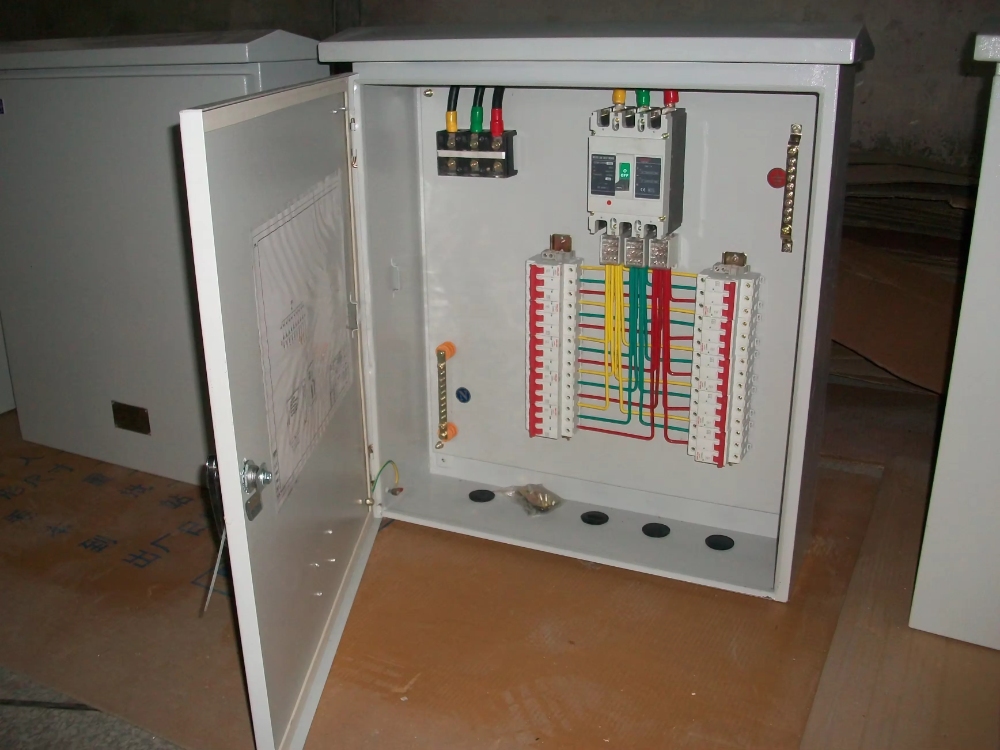
When it comes to sourcing electrical components, safety isn't just a box to tick—it's a critical safeguard that can make or break your project's success. Start by vetting suppliers who are transparent about their compliance certifications, such as UL, CE, or IEC standards, but don't stop there. Dive deeper into their track record: request case studies or testimonials from previous clients to see how they've handled real-world safety challenges, and ask about their ongoing testing and quality control processes to ensure consistency over time.
Beyond certifications, consider how a supplier integrates safety into their entire workflow. Look for partners who engage in proactive risk assessments and regularly update their practices based on the latest industry guidelines. This might involve visiting their facilities if possible or conducting virtual audits to observe their manufacturing and handling procedures firsthand. A supplier that prioritizes safety education for their staff and provides clear documentation on compliance details is often more reliable than one that simply offers a stack of papers without context.
Finally, evaluate the supplier's responsiveness and adaptability in addressing safety concerns. Choose one that demonstrates a commitment to collaboration, such as offering customized solutions or swift support when issues arise. By focusing on these dynamic aspects—rather than just static compliance lists—you'll build a partnership that not only meets regulatory requirements but also enhances the overall reliability and longevity of your electrical systems.
Innovative Features That Enhance Distribution Box Reliability
When you think about what keeps a distribution box running smoothly in harsh conditions, it often comes down to a few key innovations. For example, corrosion-resistant materials like stainless steel or specialized coatings have become game-changers, preventing rust and degradation even in coastal or industrial settings. These aren't just minor upgrades—they extend the lifespan significantly, reducing maintenance headaches and unexpected failures.
Another standout feature is the integration of smart monitoring systems, which provide real-time alerts for issues like overheating or moisture ingress. Imagine getting a notification on your phone before a problem escalates, allowing for proactive repairs. This shift from reactive to predictive maintenance means fewer downtimes and a more reliable power supply, making it a practical choice for modern infrastructure.
Beyond that, modular designs have made a huge difference, enabling easy component replacement without dismantling the entire unit. This flexibility saves time and money, ensuring that upgrades or fixes don't turn into major projects. Together, these features create a robust package that's built to last, blending durability with user-friendly solutions.
Applications in Residential and Industrial Settings
In residential environments, smart technologies are transforming everyday living by offering enhanced convenience, security, and energy efficiency. Homeowners now commonly install intelligent thermostats that learn schedules to reduce heating and cooling costs, while automated lighting systems adjust based on occupancy and natural light. These systems not only simplify daily routines but also contribute to sustainability efforts by minimizing waste. Beyond basics, advanced setups include integrated security networks with real-time monitoring, allowing remote access via smartphones for peace of mind even when away.
Industrial applications, in contrast, focus on optimizing large-scale operations through automation and data-driven insights. Factories utilize networked sensors and IoT devices to monitor machinery health, predict maintenance needs, and prevent costly downtimes. This integration streamlines production lines, boosts output, and improves worker safety by automating hazardous tasks. Moreover, energy management systems in industrial complexes analyze consumption patterns to cut expenses and support green initiatives. These innovations enable businesses to remain competitive in a fast-paced market while adhering to stricter environmental regulations.
What sets these applications apart is how they adapt to specific user needs. Residential solutions often prioritize user-friendly interfaces and aesthetic integration, blending tech seamlessly into home decor. Industrial systems, however, emphasize ruggedness and scalability, handling vast data flows in harsh conditions. Both sectors benefit from ongoing advancements, such as AI algorithms that personalize residential experiences or machine learning in industry for predictive analytics. This tailored approach ensures that technology not only meets functional demands but also resonates with end-users, driving broader adoption and innovation across diverse settings.
Ensuring Long-Term Performance with Proper Maintenance
Investing time in regular upkeep is like building a shield against wear and tear, ensuring your assets operate smoothly for years to come. Think of it as nurturing a durable foundation rather than a quick fix, which saves you from costly breakdowns and inefficiencies down the line.
Tailor your maintenance routine to your equipment's unique demands—whether it's a machine in a bustling factory or a vehicle on rough terrain. This personalized approach not only prevents unexpected failures but also optimizes performance, keeping everything running at its peak without constant intervention.
Beyond just repairs, proactive care involves monitoring usage patterns and adapting schedules as needed. By staying ahead of potential issues, you cultivate resilience that pays off in extended lifespans and reduced downtime, making every effort a step toward lasting reliability.
Cost-Effective Solutions for Modern Electrical Demands
With the rapid increase in electrical consumption due to technological advancements and lifestyle changes, finding cost-effective solutions has become more critical than ever. Many people are now looking beyond traditional energy sources, exploring options like smart home systems that optimize usage and renewable energy integrations. By leveraging these modern approaches, households and businesses can significantly reduce their electricity bills without sacrificing convenience or performance, making it a practical step toward both financial savings and environmental sustainability.
In today's competitive market, innovations such as energy-efficient appliances and advanced power management software offer tailored strategies to meet diverse electrical demands. For instance, smart meters and IoT-enabled devices provide real-time data that help users identify wasteful patterns and adjust consumption accordingly. This proactive approach not only cuts costs but also enhances reliability, ensuring that power is used efficiently during peak and off-peak hours, which is crucial for managing load in densely populated or resource-constrained areas.
Adopting these solutions goes beyond just saving money; it fosters a culture of energy consciousness and resilience. By integrating modular systems that can scale with changing needs, such as solar panels paired with battery storage, users gain independence from grid fluctuations. This adaptability makes cost-effective solutions not only a smart economic choice but also a forward-thinking investment in a stable and sustainable energy future, empowering individuals and communities to navigate the complexities of modern electrical demands with confidence.
FAQ
It safely distributes electricity from the main source to various circuits in residential, commercial, or industrial settings, protecting against overloads and short circuits.
Look for suppliers with certifications like ISO, proven industry experience, positive customer reviews, and robust warranty policies to ensure quality and safety.
Durable materials like galvanized steel, stainless steel, or UV-resistant plastic are often used to withstand environmental factors and ensure longevity.
Yes, many suppliers offer customization options, including size adjustments, additional circuit breakers, or special coatings for harsh conditions.
Key features include IP ratings for dust and water resistance, adequate ventilation, secure locking mechanisms, and compliance with local electrical codes.
Low-voltage boxes handle up to 1,000 volts, typically for everyday use, while high-voltage ones are for industrial applications with higher voltages, requiring more robust insulation and safety measures.
Regular inspections for wear, cleaning of components, and testing of circuit breakers are recommended to ensure optimal performance and safety over time.
Conclusion
Navigating the landscape of low-voltage distribution box suppliers demands a keen focus on quality and reliability. Understanding the stringent quality standards that govern these electrical components is paramount, ensuring they meet safety and performance benchmarks. When selecting a supplier, prioritize those who demonstrate unwavering commitment to electrical safety compliance, offering products that adhere to regulations and certifications. By integrating innovative features, such as advanced insulation or smart monitoring capabilities, suppliers can significantly enhance distribution box reliability, making them resilient in diverse applications. Whether in residential or industrial settings, these solutions must be versatile enough to handle varying loads and environmental conditions, underscoring the importance of a supplier's adaptability and expertise.
To guarantee long-term performance, proper maintenance protocols are essential, and reliable suppliers often provide guidance or services to support this. This proactive approach helps prevent downtime and extends the lifespan of electrical systems. Coupled with cost-effective strategies, such as energy-efficient designs or scalable options, modern suppliers address increasing electrical demands without compromising on safety or quality. By blending these elements - from quality standards and compliance to innovation and maintenance - a trusted low-voltage distribution box supplier becomes an invaluable guide. They deliver solutions that not only meet current needs but also anticipate future challenges, ensuring reliable electrical infrastructure across all applications.
Contact Us
Contact Person: Doreen
Email: [email protected]
Tel/WhatsApp: 8618057712366
Website: https://www.liugaopower.com/