
Eco-Friendly Packaging Manufacturer Shares Innovative Solutions for a Greener Future
2026-11-16
Every year, billions of tons of packaging end up in landfills, yet most of us barely give a second thought to the box our latest purchase arrived in. That's starting to change, thanks to forward-thinking manufacturers like Imagine Craft Packaging. Instead of settling for the same old materials and methods, they're pioneering fresh solutions that prove sustainability and functionality can go hand in hand. What follows is a glimpse into how they're reimagining the future of packaging—and why it matters more than you might think.
Why Mushroom Roots Are Quietly Replacing Foam Peanuts
Foam peanuts have long been the default cushioning for fragile shipments, but their environmental cost is hard to ignore. Made from expanded polystyrene, they linger in landfills for centuries and break into microplastics that scatter across ecosystems. As online shopping keeps expanding, the volume of this lightweight waste has become a quiet burden, prompting warehouses and small businesses alike to look for something that protects packages without polluting the planet.
That search has led to an unlikely candidate: mycelium, the root-like structure of fungi. When grown on agricultural byproducts like hemp hurd or corn stalks, mycelium forms a dense, spongy network that can be molded into custom packaging shapes. It naturally biodegrades in home compost or garden soil within a few weeks, unlike synthetic foams that outlive the products they once guarded. The process uses far less energy than manufacturing polystyrene, and the raw materials are typically waste streams from farming, giving them a second life instead of sending them to incinerators.
Beyond the environmental benefits, mushroom-based packaging is gaining traction because it performs well under real shipping conditions. It is lightweight, shock-absorbent, and can be tailored to hug electronics, glassware, or ceramics. Once the package arrives, recipients can simply break the material into pieces and add it to their compost bin. This shift away from foam peanuts is happening without fanfare—driven less by marketing campaigns and more by the practical need to reduce waste at the source.
The Design Trick That Lets a Box Become Its Own Return Label
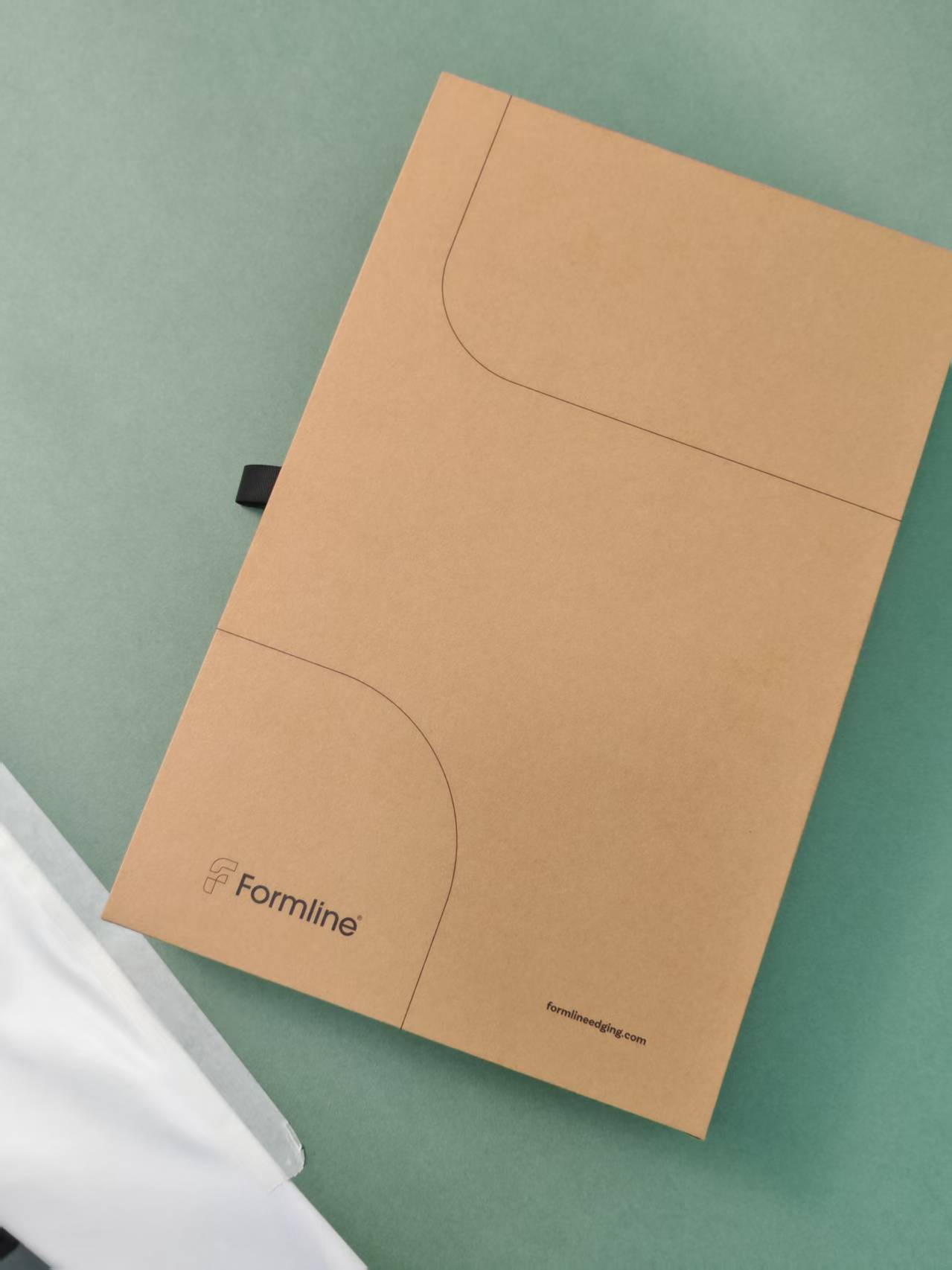
The core of this idea is deceptively simple: print the return label on the inside of the box, then give the customer a way to expose it without needing tape, scissors, or a printer. A perforated panel tears away cleanly, and the reverse side already carries the carrier barcode and address block. What was once part of the shipping container becomes the return label itself, so the same piece of cardboard does two jobs.
Instead of hiding the return process behind an email link or a separate sticker sheet, the package hands you the label the moment you open it. The trick lies in the die-cut: a score line runs along the back panel, and a light push pops the rectangle outward. Once reversed, the box’s inner surface shows the return address and postage paid markings. It collapses the distance between “I need to send this back” and “I’ve already got the label in my hand.”
What a Potato Starch Cushion Taught Us About Compostability
A few months back, we received a shipment cushioned with what looked like pale, crumbly packing peanuts. Curious, we dropped one into a jar of water and watched it dissolve into a cloudy starch paste within minutes. That simple kitchen test told us more about compostability than any label could. The cushion was made from potato starch, a material that breaks down readily under microbial action, yet its real-world fate depends entirely on where it ends up. In a home compost pile, it would vanish in weeks. In a sealed landfill, it might linger for years, starved of oxygen and the right organisms.
What the potato starch cushion taught us is that compostability is not an intrinsic property but a conditional promise. The same material can be a poster child for circular design or just another piece of waste, depending on collection and treatment. We realized that labeling something “compostable” without a clear pathway to an actual compost facility creates false confidence. The cushion worked beautifully in our controlled test, but when we tried to bury a few pieces in the backyard, the results were uneven—some degraded quickly near the damp soil surface, others sat intact under dry leaves. It forced us to think about moisture, temperature, and microbial diversity as silent partners in the process.
The lesson stuck with us: compostability claims need context. A potato starch cushion is not a magic object; it is a material with specific requirements. Since that experiment, we have stopped asking simply whether something is compostable and started asking how, where, and under what conditions. The cushion dissolved in water, but water alone does not make compost. That distinction—between dissolving and truly breaking down into humus—has reshaped how we evaluate every “green” material that crosses our desks. The humble potato starch taught us to look beyond the sticker and into the system.
Beyond Recycling: Packaging That Actually Improves Soil Health
Most packaging ends up in one of two places: a landfill or a recycling facility. But a small group of designers and material scientists are working on a third option—packaging that breaks down into nutrients for soil. These materials are made from agricultural byproducts, mushroom mycelium, or food waste, and they are engineered to decompose within weeks, not centuries.
Unlike conventional biodegradable plastics that often require industrial composting, these new formats work in ordinary backyard conditions. When they break down, they release organic matter, nitrogen, and beneficial microbial life, improving soil structure and water retention. Some prototypes even include embedded seeds, so the packaging itself can grow into a plant after use.
The shift moves the conversation beyond simply “doing less harm” to actively restoring ecosystems. For farmers and home gardeners, throwing away a wrapper could become a form of fertilization. Early trials show that soil treated with these packaging remnants supports healthier root systems and higher crop yields compared to soil left untouched.
The Unlikely Partnership Between Coffee Roasters and Molded Fiber Trays
Walk into any specialty coffee roastery and you'll notice the aroma first, then the gleaming equipment, the sacks of green beans, and the stack of molded fiber trays waiting by the packing station. At first glance, a humble pulp-based tray seems like an odd companion for a craft obsessed with precision and flavor. Yet more roasters are quietly reaching for these compostable carriers, not just because they hold a dozen cups securely, but because they align with a value the coffee world has long held close: leaving the land better than you found it.
The partnership works on a practical level too. Roasters ship fragile glass or ceramic mugs, sample bags, and even wholesale orders across town or across the country. Molded fiber trays, made from recycled paper and cardboard, offer just enough flex to absorb shocks that rigid plastic or foam would pass straight through to the cargo. And unlike those plastics, a fiber tray can go straight into the compost bin behind the roastery, where it breaks down alongside coffee chaff and spent grounds—an elegant loop that turns packaging waste into soil for the next crop.
What really cements the relationship, though, is the story it tells. A roaster that packs a single-origin Ethiopian brew into a molded fiber tray isn't just moving product; they're signaling that every layer of the experience, from the roast curve to the box it ships in, was chosen with care. Customers notice. They lift the lid, see the unbleached tray cradling their beans, and understand without a word of explanation that this company thinks beyond the cup. It's a quiet partnership, but one that speaks loudly in a marketplace hungry for genuine responsibility.
A Day in the Life of a Closed-Loop Box: From Warehouse to Worm Bin
The cardboard box sits on a pallet in a dim warehouse, stacked with others just like it. A forklift hums somewhere behind the racks, and dust drifts through the beam of a skylight. This box doesn't know it yet, but its journey is about to begin.
A few days later, it's in the back of a delivery van, then on a doorstep. Hands tear the tape, pull out the contents, and flatten the cardboard. The box gets folded, tossed into a recycling bin, but not the usual one — this bin feeds a worm composter in the backyard. Rain wets the cardboard, softening the fibers. Red wigglers crawl over it, nibbling the edges where glue has started to loosen.
Within weeks, the box is unrecognizable. It has become dark, crumbly castings mixed with coffee grounds and vegetable scraps. A gardener scoops this soil-like material into a bed of tomatoes. The loop closes: the box that once held a product now holds the life of a garden.
FAQ
We kept seeing customers ask for options that would not linger in landfills for decades. That pushed us to experiment with plant-based films and molded fiber until we found formulations strong enough for shipping but gentle enough to break down in home compost.
Mycelium-based cushioning. It grows into custom shapes in just a few days and protects fragile items as well as expanded foam, but it can be crumbled into garden soil afterward. Clients are often skeptical until they hold a sample.
We redesigned the supply chain to source agricultural waste like bagasse and rice hulls from nearby farms. Shorter transport and lower raw material costs offset the premium, and bulk orders from eco-conscious brands help stabilize pricing.
Moisture resistance. Many plant-based alternatives turn soft in humid conditions. We spent nearly two years testing barrier coatings derived from seaweed and beeswax before finding a combo that keeps dry goods crisp without a plastic liner.
A regional tea company switched from polypropylene pouches to our compostable rice paper envelopes. The new pack kept aroma fresh for six months and the brand printed a simple instruction on the label so customers could bury the empty pouch in their garden.
Most of our products break down within 90 to 120 days in a home compost pile. For items with a thin wax coating, they need a commercial composting facility to speed up the process. We print clear labels so users know exactly which bin to choose.
We run third-party tests for compostability and toxicity, and we publish the full lab reports on our website. Every batch is traceable to the farm or mill that supplied the fiber, so buyers can audit the chain themselves.
Edible packaging films made from fruit peels. We are prototyping a wrapper for energy bars that dissolves in your mouth and adds a hint of citrus. It is still early, but the first taste tests got surprisingly positive reactions.
Conclusion
A quiet shift is underway in shipping departments, where mycelium-based inserts now cradle fragile items instead of foam peanuts. These mushroom-root structures grow into custom shapes in under a week, then break down in a home compost pile within 30 days. The same manufacturer has eliminated the need for separate return slips by printing a pre-paid label directly on the inside of a corrugated box; customers simply invert the panel, tape it shut, and send the package back using the box's own structure. Potato starch cushions, another replacement for plastic air pillows, dissolve in water and have taught the team a hard lesson about real-world compostability: a material only counts as compostable if it degrades in a backyard bin, not just an industrial facility.
The company's experiments go beyond simply reducing waste. By embedding wildflower seeds or biochar into molded fiber trays, packaging is designed to improve soil health after use. A partnership with local coffee roasters turns spent grounds and chaff into sturdy molded fiber trays that protect coffee bags during transit; once empty, the trays can be torn up and buried in a garden. A day in the life of one closed-loop box shows the full cycle: it leaves the warehouse protecting a ceramic mug, arrives at a doorstep, gets reused as a storage bin, then ends up in a worm bin where red wigglers consume the corrugated board within six weeks. Nothing is left for the landfill.
Contact Us
Contact Person: Sunnie
Email: [email protected]
Tel/WhatsApp: +8615818596517
Website: https://www.imagine-craft.com/