
China Emergency Kit Manufacturers Unveil Next-Gen Survival Solutions for Global Readiness
2026-11-16
When disaster strikes, the difference between chaos and control often comes down to one thing: preparation. A new generation of emergency kit manufacturers in China is stepping up with survival solutions engineered not just for regional crises, but for a world facing increasingly unpredictable threats. At the center of this shift is Kebon, a brand quietly redefining what a ready kit can do—blending field-tested materials, modular customization, and a level of readiness that feels less like a purchase and more like a promise. In the following piece, we unpack how these next-gen kits are being built, who they're for, and why they might just change the way you think about staying safe.
Smart Kits That Think Ahead in a Crisis
Most emergency kits sit untouched for years, giving you a false sense of security. This one monitors its own inventory—expiration dates, seal integrity, even battery levels—and sends real-time reminders to your phone. When a storm knocks out power, its integrated sensors begin tracking local conditions: temperature shifts, air quality, even seismic activity if you live in a tremor-prone zone. It’s not just waiting for disaster; it’s quietly preparing while you sleep.
The real magic happens in the first chaotic moments of a crisis. Instead of fumbling through a disorganized bag, you get step-by-step guidance based on the specific emergency you’re facing. A flood alert triggers waterproof casing to unseal automatically, while an earthquake warning pre-activates a location beacon so rescuers can find you faster. The system draws from a vast database of real-world evacuation patterns, not generic checklists, adapting advice to your household composition—pets, infants, medical needs—without you having to configure anything.
What truly sets it apart is how it learns from after-action reports and user feedback. After a wildfire or blackout, the kit anonymously analyzes what worked and what didn’t, then adjusts its recommendations for everyone in similar risk zones. It can even coordinate with neighbors’ kits (with permission) to map out the safest exit routes in real time, accounting for blocked roads or gas leaks. You won’t realize how much thinking it does until that quiet Tuesday when it calmly tells you to close a window because the wind just changed direction.
Modular Systems Built for Earthquakes, Floods, and Beyond
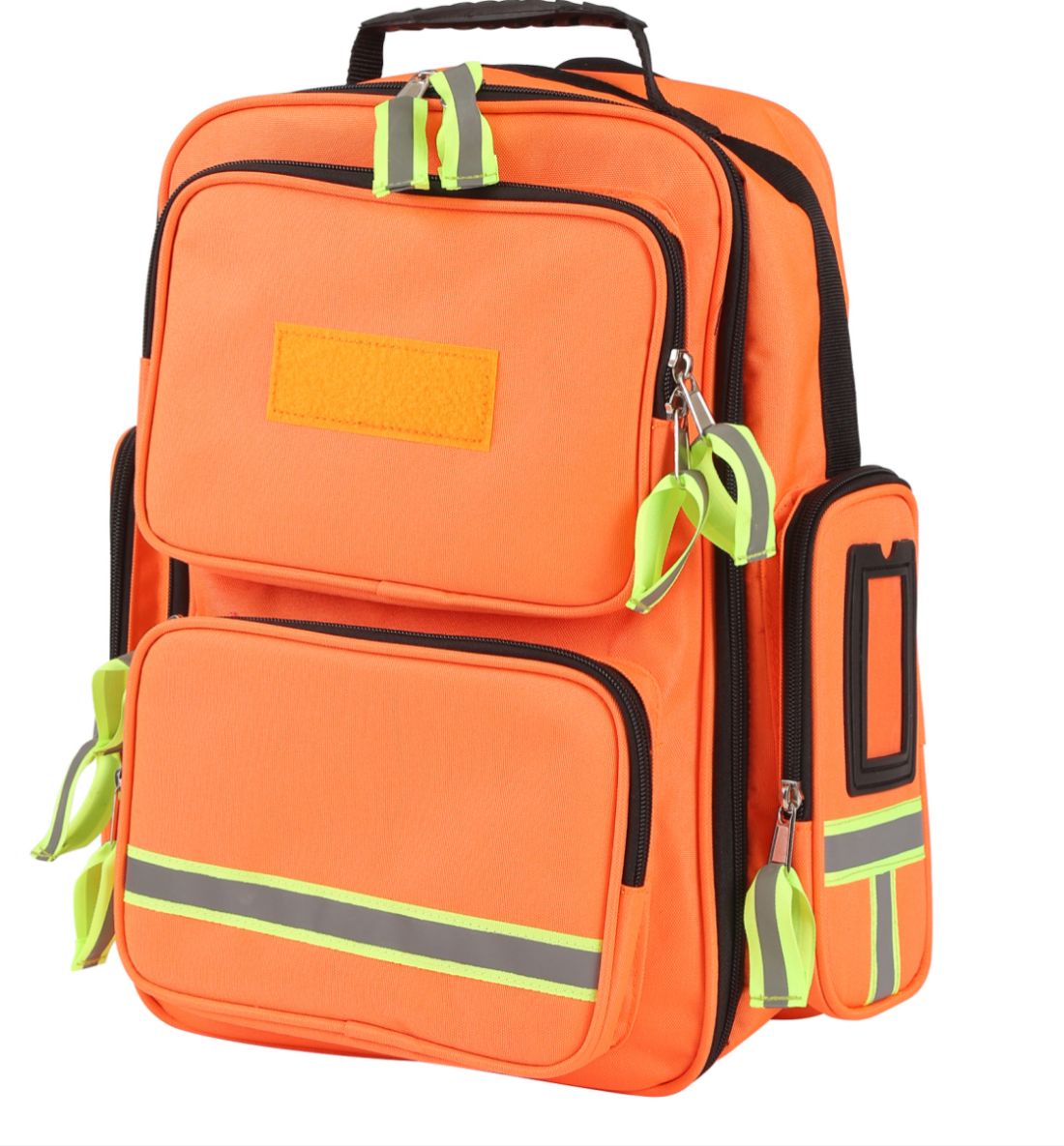
When disaster strikes, rigid structures often fail spectacularly. That’s where modular systems come in, redefining resilience by absorbing and redistributing stress rather than resisting it head-on. For earthquake-prone zones, these setups rely on flexible joints and lightweight materials that sway with tremors instead of cracking under pressure. Think of interlocking components that can shift independently yet remain anchored as a cohesive whole. The beauty lies in compartmentalization: if one module strains beyond its limit, it can be isolated, replaced, or reinforced without destabilizing the entire structure.
Flood resilience takes a different yet equally clever approach. Elevated platforms keep living and mechanical spaces above expected water levels, while breakaway walls on lower levels allow water to flow through without creating destructive pressure imbalances. Some systems even incorporate buoyant foundations that lift the structure gently during flooding, guided by vertical posts to prevent drifting. Materials matter too — closed-cell insulation, corrosion-resistant alloys, and moisture-wicking composites ensure that even if water breaches the envelope, recovery is a matter of cleaning rather than gutting.
Beyond these specific threats, the versatility of modular design shines in its ability to integrate multiple safeguards without sacrificing aesthetics or functionality. A single building can combine seismic damping, elevated flood thresholds, and wind-resistant aerodynamic profiling, all while being expanded or downgraded as needs change. This adaptability means communities don’t have to choose between safety and sustainability; they can retire modules, reuse them elsewhere, or upgrade them as climate patterns evolve, creating a living, breathing structure that evolves alongside its environment.
How Eco-Friendly Materials Are Redefining Survival Gear
Survival gear has long been associated with rugged nylon, petroleum-based plastics, and single-use packaging that ends up buried or burned. That image is shifting fast as material science catches up with the demands of the outdoors. Today’s tarps, cordage, and even fire-starters are being built from plant-based polymers, recycled ocean plastics, and biodegradable composites that perform just as well under stress. The real breakthrough isn’t just lower environmental impact—it’s that many of these materials actually improve the backcountry experience, from lighter packs that don’t degrade in UV light to compostable food wraps that eliminate the need to pack out sticky wrappers.
What’s driving this shift is a quiet insistence among gear makers to solve real problems, not chase a green label. A new generation of waterproof membranes uses bio-sourced castor oil instead of petrochemicals, shedding water without shedding microplastics into alpine streams. Insulation layers now blend waste wool with recycled fibers to keep the cold out while keeping waste streams empty. Even the metal in stakes and cookware is being reconsidered—high-recycled-content alloys offer the same strength with a fraction of the mining footprint. These choices are practical: they often reduce weight, improve durability, and simplify end-of-life disposal, making them attractive even to those who don’t consider themselves environmentalists.
Perhaps the most telling change is in the psychology of self-reliance. Relying on gear that regenerates or safely breaks down after its lifecycle echoes the very principles of treading lightly that survival skills were built on. Foraging containers made from bamboo fiber, biodegradable fishing line, and re-waxable cotton tool rolls are no longer niche experiments—they’re becoming the new baseline. The ethos is shifting from surviving against nature to thriving within it, where your equipment leaves as little trace as your footsteps.
Tailored Readiness for Climates from Desert to Tundra
Preparing for such wildly different environments isn't about owning separate gear for every possible weather pattern. It's about building a flexible, modular system that adapts as you move. The dryness and heat of the desert demand breathability, sun protection, and water management above all else. In the tundra, those same priorities invert—you need layers that trap body heat, block relentless wind, and wick away moisture before it freezes against your skin. The real trick lies in selecting items that bridge these extremes without weighing you down.
Many travelers overpack because they think versatility means compromise, but a few well-chosen pieces can handle an astonishing range. A merino wool base layer, for instance, is as comfortable under desert sun as it is beneath a heavy parka. It naturally resists odors, manages moisture, and regulates temperature in ways synthetic fabrics often can't. Pair it with a windproof shell that packs into its own pocket, and you've already covered everything from sandstorms to blustery alpine passes. The goal is to create what mountaineers have long called a 'quiver of one'—a lean collection that performs across the spectrum.
The difference between misery and comfort often comes down to the details you can't see in a product photo. Zippers that don't jam when caked with fine desert dust. Seams taped so precisely that Arctic gusts can't sneak through. Pockets placed high enough to remain accessible above a hip belt. These small engineering choices multiply when you're five days from the nearest resupply point, and they're what separate gear that merely lists a temperature rating from gear that actually delivers on it. Whether you're threading through slot canyons or trudging across frozen peat bogs, your equipment should feel like a natural extension of your own awareness of the landscape.
Stress-Tested to Withstand What Nature Throws at You
We don’t just hope our gear survives the backcountry—we make sure it does. Every piece is pushed through a gauntlet of real-world abuse: sudden downpours, biting wind, and hours of scorching sun. If a seam weakens or a buckle cracks under pressure in the lab, it never reaches your pack. That’s how we earn your trust when the weather turns without warning.
Out here, comfort isn’t a luxury, it’s the difference between misery and momentum. The fabrics we choose breathe when you’re working hard and seal tight when the storm hits. You feel the difference in those long hours when nothing else stands between you and the elements—no bunching, no clammy chill seeping in, just reliable performance that lets you focus on the trail ahead.
Nature doesn’t follow a script, and neither should your equipment. Our testing protocols mimic the unpredictability you actually face: freeze-thaw cycles that punish zippers, sand-loaded air that grinds at lens coatings, and enough rain to flood a creek. When you’re caught in the thick of it, you’ll notice what’s missing—the nagging worry that something might fail.
From Urban Blackouts to Backcountry Emergencies, One Pack Fits All
It starts with that sinking moment when the lights flicker and die, leaving your apartment in sudden silence. No fridge hum, no way to charge a phone, and maybe just a flashlight with batteries you forgot to check. But instead of fumbling in the dark, you pull the pack from the closet—its layout already familiar. Inside, there’s a hand-crank radio and a reliable light source that doesn’t depend on disposable cells. There’s a compact water filter that turns a questionable tap into drinkable supply, and a power bank kept fully charged because the pack’s design makes that a weekly habit, not an afterthought. In an urban blackout, it’s less about survival in the wild and more about staying informed, connected, and calm while the grid gets sorted out.
The same pack rides shotgun on a three-day trek into the backcountry, where cell signal becomes a memory and the nearest help is a topo map away. It’s not bulging with duplicate gear or heavy redundancies—it doesn’t need to be. The contents were chosen because they work double duty. The hand-crank radio becomes a weather band lifeline. That power bank recharges a headlamp or a GPS unit. The water filter sees a lot more use, pulling from mountain streams. A few modular pouches swap between a small first-aid kit, a fire-starting kit, and energy-dense snacks. When the trail steepens and the sky turns gray, the pack feels familiar because you’ve already practiced with it at home, in the dark, by feel. That muscle memory matters when the unexpected hits far from pavement.
What makes one pack fit both worlds isn’t some tactical marketing promise—it’s a deliberate refusal to treat emergencies as separate categories. City dwellers and backcountry wanderers share the same basic needs: light, water, power, information, and a way to stay warm and dry. By packing for those needs instead of for a specific scenario, the kit slips into everyday life without becoming a forgotten relic on a shelf. You use parts of it during weekend trips and then top it off. When a summer storm knocks out power for a night, you don’t panic; you know exactly where the pack is and what it holds. And when you push deeper into the woods, you carry the confidence of having already tested its worth, not in theory but in real, unpredictable moments.
FAQ
It refers to smart integration—think solar-powered modules that charge via USB-C, water filtration systems that are 40% lighter, and built-in IoT trackers that sync with your phone for real-time location sharing during a crisis.
They comply with multiple international standards like CE and FCC, and design kits for diverse climates—from desert heat to monsoons. Some even include multilingual instruction cards and region-specific food rations.
Most are dual-purpose. A typical kit might have a N95 mask and chemical detection strips, alongside a thermal blanket and a hand-crank radio. The goal is to cover anything from earthquakes to grid failures.
Several prototypes include biodegradable packaging that can be repurposed as tinder, and one model has a foldable helmet integrated into the bag. It’s about squeezing utility out of every ounce.
Economies of scale in China’s manufacturing sector play a big role, but they also use modular designs. You can buy a base kit now and snap in upgraded sensor packs later, which lowers the entry price.
A few brands have already entered pilot programs with NGOs in Southeast Asia. Feedback from field tests—like making pouches more grab-and-go friendly—is shaping the next production batch.
Beyond lab checks for water filter flow rates, manufacturers send teams to live drills in flood zones and mountain terrains. One company even simulated a week-long blackout in a controlled urban environment.
Look for certifications and third-party reviews that mention post-2023 innovations: rapid-deploy shelters, satellite messenger integration, or self-heating meal packs. If a kit still relies purely on 2010-era components, it's probably not the upgrade they claim.
Conclusion
China’s emergency kit manufacturers are redefining what it means to be prepared, shedding the image of dusty first-aid boxes for dynamic, intelligent systems. Their latest releases don’t just sit on a shelf—they think ahead. Smart kits now integrate real-time environmental sensors and automated alerts, anticipating needs before a crisis unfolds. Behind this shift is a move toward modular architectures purpose-built for specific disasters: tightly organized modules for earthquake-prone zones popping open with tools and shelter, while flood-ready configurations prioritize waterproof sealing and buoyant materials. What’s striking is how eco-conscious design has become a driving force, with biodegradable insulation, recycled fabrics, and solar-powered components subtly reshaping the gear without compromising toughness. It’s a quiet revolution where sustainability and survival feel less like opposites and more like inseparable partners.
The global ambition is clearest in how these kits refuse a one-size-fits-all formula. From the searing dry heat of desert corridors to the punishing cold of tundra routes, each pack is climate-calibrated—hydration systems, insulation layers, and even cooling towels are tuned to the extremes they’ll face. Rigorous stress-testing isn’t marketing hype; these kits get baked in sandstorm simulators, frozen solid, and shaken on seismic tables until they prove they can take it. What emerges is a versatile backbone for emergencies of any scale: a jumper cable session during a city blackout, a purification filter on a backcountry trek, or a surgical-grade tourniquet in a road accident. It’s not just a box of things—it’s a deliberate, field-won confidence that packs equally well for a high-rise power failure and a flooded valley escape.
Contact Us
Contact Person: Andy Yu
Email: [email protected]
Tel/WhatsApp: +86 19858933676
Website: https://www.kebonfirstaid.com